Enhanced/Successful El Nino
By Dennis Klocek 1 min read
The sequence of an enhanced El Nino In January, February and March warmth builds up in the western Pacific.
In April cool emerges in nino 5 and the warmth flows into nino 4.
In May cold water spreads eastward from nino 5 into western nino 4 as warm water approaches the western border of nino 3.4.
In June the cold water continues eastward into nino 4 and warm water settles into western nino 3.4.
In July cold water spreads into nino 4 bringing drought to N. Australia. Warm water spreads from the dateline towards Hawaii in a little understood sequence.
By August the eastward flowing warmth has spread through nino3.4 and is flowing eastward from Hawaii into nino 3. Nino 4 continues to cool off.
From September to November the eastward flow increases in warmth and volume flowing through nino3 into western nino 1+2. The cold water settles into place in nino4.
In December the cold pool maintains itself in the western Pacific as the warmth flows into nino 1+2 filling the eastern Pacific with unusually warm water. This pattern is then a strong el nino. The flowing of warmth from west to east in a yearly rhythm is known to climatologists as the canonical el nino. It is the canon or mean pattern for the phenomena supporting the climatology of el nino.
The whole phenomenon.
Read how Planetary Movement may be charted across the Pacific Ocean.
Dennis Klocek
Dennis Klocek, MFA, is co-founder of the Coros Institute, an internationally renowned lecturer, and teacher. He is the author of nine books, including the newly released Colors of the Soul; Esoteric Physiology and also Sacred Agriculture: The Alchemy of Biodynamics. He regularly shares his alchemical, spiritual, and scientific insights at soilsoulandspirit.com.
Similar Writings
Earth Consciousness
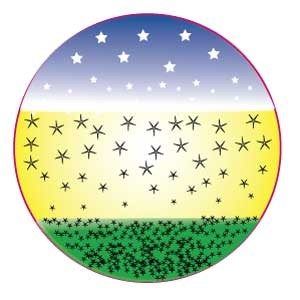
[Ed: Dennis taught this material in full over a weekend in Viroqua, Wisconsin, in 2009. The four lectures are available as Alchemy of Consciousness: Imagination as a Path of Healing.] The picture is an image of stars falling out of the sky as snow and then falling to earth as crystals. From the point of…
Freedom from Anxiety
In these times of great uncertainty, a powerful seed thought from Rudolf Steiner is the phrase “to will my thinking is freedom; to think into my will is love”. This meditative tool is valuable for overcoming anxiety. But we could ask, what does it mean to will my thinking? In everyday life my thoughts flit…